
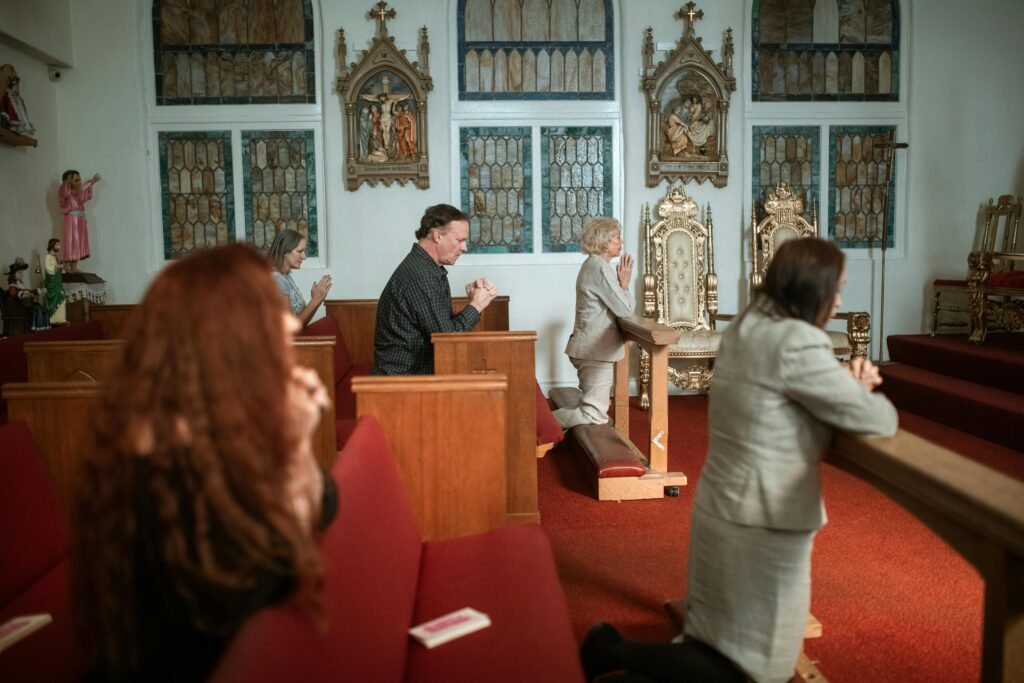
For many rural and small-town churches, physical space can be both a blessing and a challenge. Church buildings often sit empty all but 3 to 4 times a week. Spaces such as classrooms, fellowship halls, kitchens, offices, and meeting rooms represent incredible resources just waiting to be utilized.
Today, faith leaders are actively looking for effective ways to serve their communities while managing rising maintenance costs and limited budgets. A highly practical solution for sustainable church development is to share these facilities.
Part 1: Repurposing Your Assets
Maximizing Small-Town Church Resources
Many congregations already possess the exact asset their broader community desperately needs: Space. When leaders stop looking at their building space as a maintenance liability and start considering it a community asset, empty rooms instantly become vibrant, shared public resources.
For congregations struggling with tight budgets, thoughtful shared-space arrangements help existing resources stretch much further while strengthening rural churches. To make these spaces ready for the community, leaders can explore available church funding opportunities to help cover the costs of necessary building renovations.
Creative Ways to Share Existing Rooms
• Fellowship Halls: Perfect for hosting town halls, civic meetings, or community-wide workshops for small-town churches focused on resource allocation.
• Classrooms: Easily transformed into after-school tutoring rooms or dedicated spaces for rural ministry education.
• Kitchens: Ideal for anchoring local food distribution programs or partnering with rural church outreach programs.
• Unused Offices: Great for providing a stable, affordable home base for a local nonprofit or counseling ministry.
Part 2: Community Impact
Building Relationships Through Open Doors
One of the greatest benefits of a shared-space model is the deep relational connection it fosters. When a church opens its doors, it creates natural opportunities to connect with neighbors who may never otherwise attend a weekend worship service.
Local nonprofits, schools, and civic groups do incredible work but often lack affordable venues to gather. Additionally, local residents frequently struggle to find reasonably priced spaces to host baby showers, wedding showers, or book club meetings. Providing an affordable venue is a genuine win-win situation for both the community and the church.
Becoming a Trusted Community Hub
This model of hospitality transforms how local church leadership is viewed. Over time, these open doors build deep trust within the neighborhood, cultivate cross-generational friendships, spark fresh volunteer opportunities, and raise acute awareness of local needs. The building ceases to be just a place where weekend services happen; it becomes a trusted hub for rural community support.
Part 3: Collaborative Ministry
Moving from Competition to Teamwork
Shared space also opens doors for intentional collaboration between different congregations. For example, one church in a community might have a commercial kitchen but lack a large meeting room, while a neighboring church has an excellent fellowship hall but no kitchen facilities.
Through collaborative rural community faith initiatives, these churches can share what they have. This teamwork helps local congregations realize they are not competitors. Instead, they are part of the same team, working together toward spiritual renewal and collective community growth.
Part 4: Operational Frameworks
Best Practices for Local Church Leadership and Planning
While the benefits of sharing space are clear, successful arrangements require careful leadership development for churches. To prevent misunderstandings and protect all parties involved, church leaders must establish clear boundaries and expectations.
Integrating these models into your broader small-town church growth strategies ensures your operations and community outreach efforts work in harmony. Before opening your doors, create written agreements that clearly outline rules regarding:
• Access & Security: Managing building keys, lock-up procedures, and security protocols.
• Logistics: Coordinating scheduling calendars and managing parking availability. • Maintenance: Setting clear expectations for cleaning responsibilities and technology usage. • Legal Protection: Ensuring proper liability insurance coverage and defining appropriate facility use.
Conclusion: A New Mindset for Faith Leadership Formation
True faith leadership formation starts with changing the questions we ask. Instead of focusing solely on property management and asking, “How can we maintain this building?” progressive leaders are changing the narrative. They are beginning to ask a much more powerful question:
“How can this building help us serve our community?”
By viewing church facilities as active tools for rural congregation support, small-town ministries can secure a vibrant, sustainable, and community-centered future.

